
Published: 10 November 2025
By Lindelwa Mayinga, PUG Intern 2025
Missing school or work because of something as natural as a period should never have to be anyone’s reality. But this is the life of many girls and women in South Africa, where almost 7 million girls are reported to miss school each month due to a lack of access to sanitary pads.
I have seen how period poverty quietly affects people’s lives, often in ways that are not obvious or talked about. What is most striking about period poverty is how silent the struggle often is and how its impacts extend beyond menstruation. Many women and girls in poor communities must choose between buying food and sanitary products. The shame and embarrassment caused by leaks due to lack of sanitary products lead girls to miss school and prevent women from pursuing opportunities. These cases further contribute to widening the gender inequality gap.
Period poverty is a question of dignity, equality, and inclusion. Period poverty is not only about having sanitary products such as pads or tampons, it undermines the right to manage menstruation safely and hygienically. Menstrual health depends on access to essential services such as clean water, sanitation, adequate housing and education.
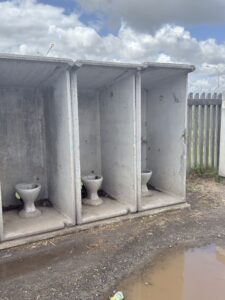
Although the sanitation sector is receiving greater attention in policy and research, there remains inadequate focus on its connection to menstrual health management. This issue is particularly important in informal settlements where period poverty is exacerb
ated by inadequate sanitation and water infrastructure. Informal settlements often have unhygienic and unsafe toilets, no running water, and very little privacy. This means that girls and women often have no safe or dignified way to manage their periods. Furthermore, the stigma surrounding menstruation means that people do not speak about their experiences, which can undermine these issues being addressed.
This illustrates that addressing period poverty requires more than improving sanitation infrastructure. It demands deeper focus on how living conditions shape menstrual experiences, particularly in informal settlements. Research and policy must go beyond access to toilets and water, and confront the broader social and economic inequalities that make menstruation a barrier to education, work and dignity.
