

The United Nations recognises that good menstrual health is a human right which requires access to safe sanitation. Whilst sanitation in some form is publicly provided in many countries, and several Sustainable Development Goals aim to contribute to the realisation of this right (3. Good Health and Well-being, 5. Gender Equality, 6. Clean Water and Sanitation, 11. Sustainable Cities and Communities), in practice the technocratic and product focussed approaches have been insufficient. If everybody who menstruates is to achieve menstrual health, it is critical for us to consider the wider system within which sanitation is governed, and the everyday interactions that influence its access and use.
This pilot project takes an interdisciplinary approach to explore how the governance of publicly provided sanitation in urban informal settlements affects the achievement of multidimensional menstrual health. Using a case study in Khayelitsha, Cape Town, South Africa, we apply Participatory Action Research (PAR) to understand the local context and support participants in advocating for positive change. The project examines how menstrual health is shaped by:
On 28 May 2026 hosted a PhotoVoice Exhibition at UWC’s School of Public Health to provide a space for the women from Khayelitsha who participated in our research to share their photographs and stories. Held on World Menstrual Hygiene Day (28 May), this exhibition centred participants’ voices as they shared their photographs and personal stories. It created a space for government officials, academics, and other stakeholders to engage directly with these experiences and contributed to discussions on more inclusive and responsive sanitation governance. Find out more here.
In September and October 2025 we undertook fieldwork in BM Section, Khayelitsha, Cape Town. We conducted in-depth interviews and a PhotoVoice project with women residents to explore their experiences of menstruation and sanitation in an informal settlement context. Following data collection, we convened a participant feedback session where participants reviewed and responded to
the emerging findings, providing input on how their experiences should be represented in project outputs and a in policy brief.
From 22-24 October 2025, we held an in-person team workshop to collectively analyse the data, refine key themes, and identify future research directions and gaps that could inform future research.
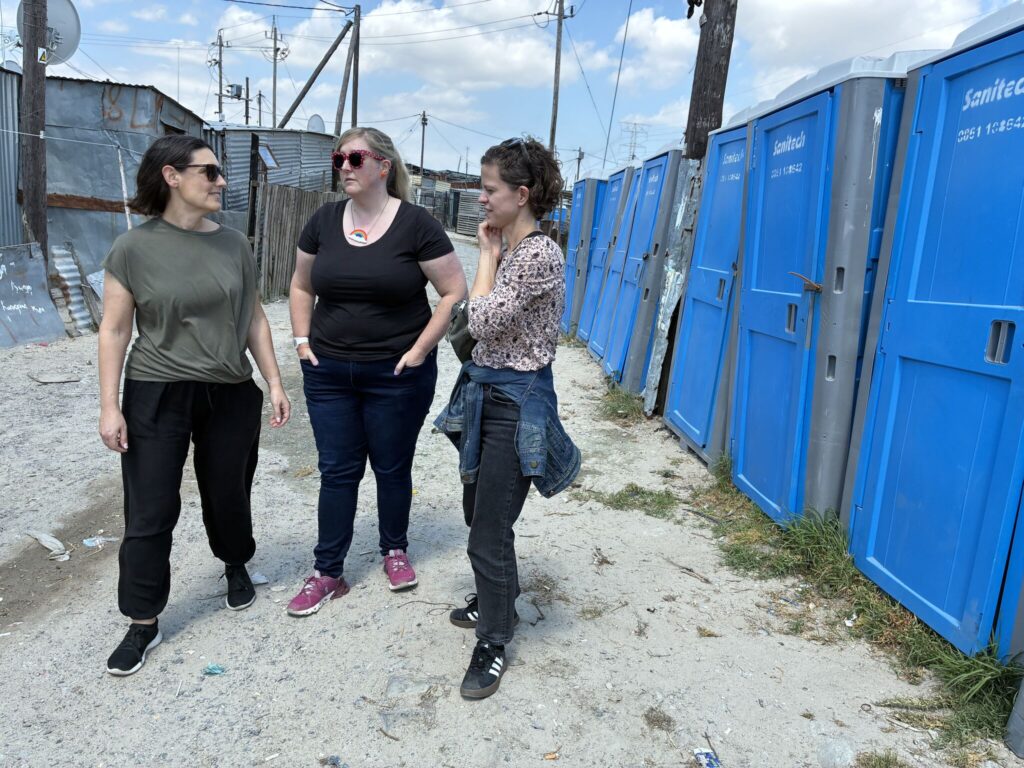
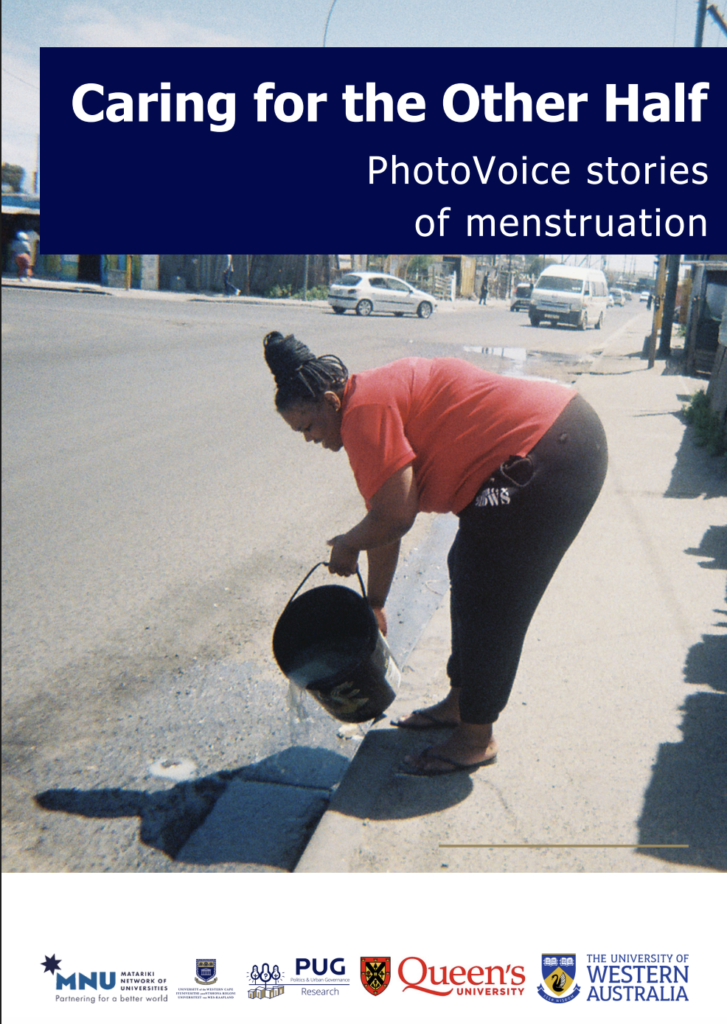
PHOTO ESSAY | Caring for the other half: PhotoVoice stories of menstruation (LINK)
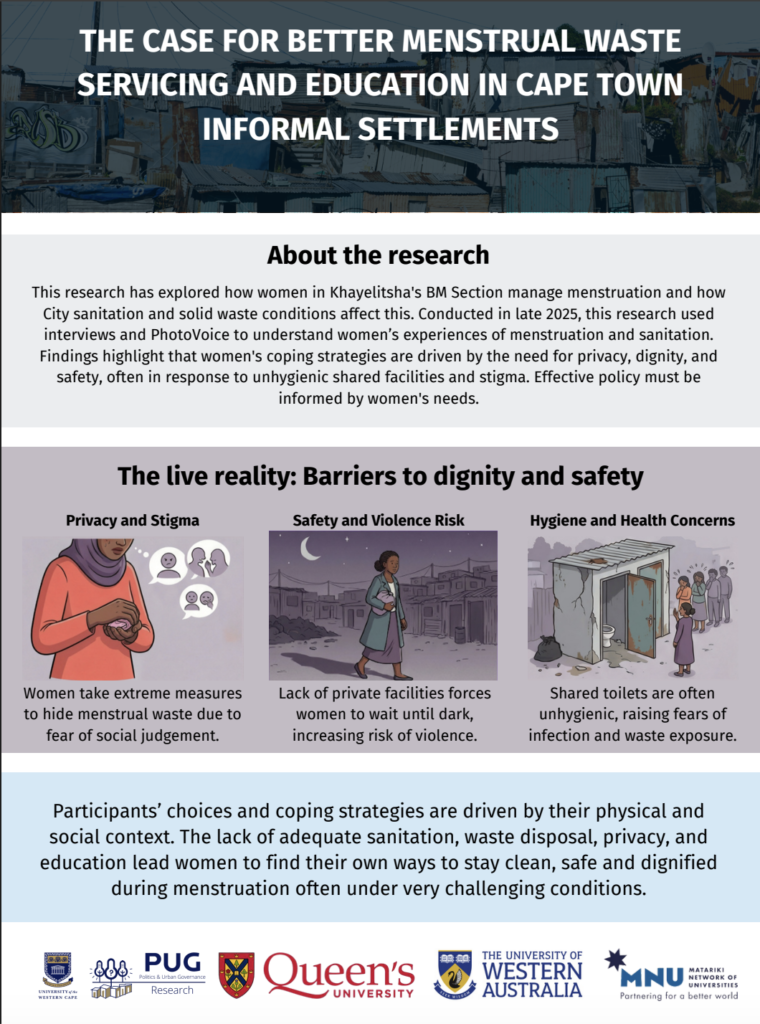
RESEARCH BRIEF | The case for better menstrual waste servicing and education in Cape Town informal settlements (LINK)

